About me - Meet Jane
About
JANE ISKANDER
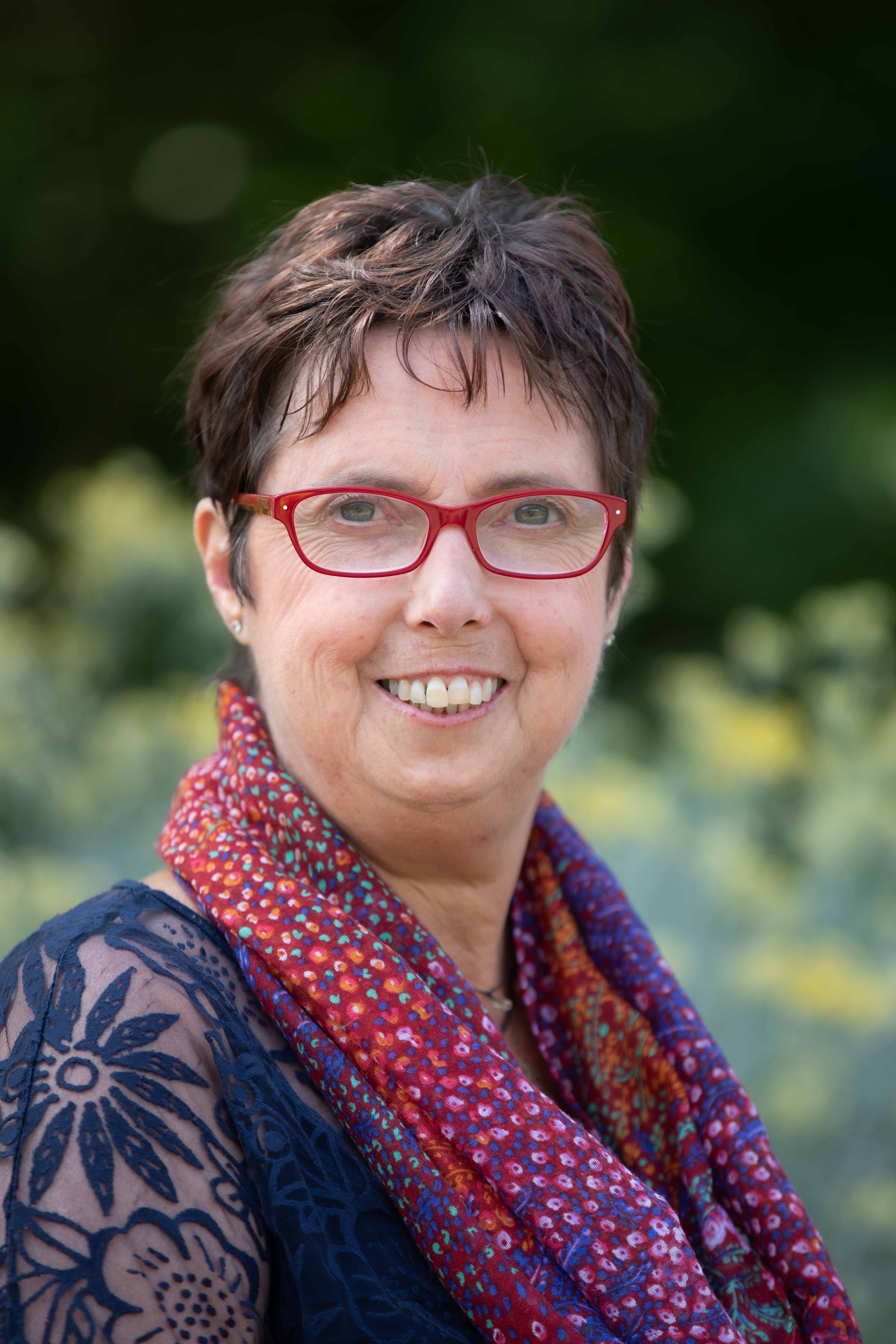
Jane Iskander is a qualified Occupational Therapist, coach and facilitator based in Essex, England. Working across palliative care, private practice and community spaces, she supports individuals, families and healthcare teams navigating illness, grief, uncertainty and major life transitions.
Jane’s work combines clinical experience with coaching, reflective practice and compassionate conversation, helping people reconnect with meaning, identity and steadiness during difficult periods of life.
Based in Chelmsford and work worldwide online
Why work with me?
Learning to sit beside uncertainty
For some people, work is simply what they do. For me, it's part of who I am. My personal experiences have shaped my professional purpose, and the two have always been closely connected.
My life experiences have given me a deeper understanding, greater compassion, and a genuine desire to support others.
The way I support others today has been shaped slowly through illness, grief, caregiving, healing and years spent sitting alongside people during some of the most vulnerable moments of their lives.
Through my work in hospices, facilitating reflective practice, coaching and Death Cafés, I've developed services that create space for the conversations many people spend their lives avoiding.
Warmth, honesty and a deep respect for human complexity defines my approach. I don’t speak about resilience as something polished or heroic, seeing it instead as something quieter, built through connection, support and the willingness to keep showing up even when life changes beyond recognition.
Whether guiding healthcare teams carrying emotional exhaustion, supporting someone adjusting to a diagnosis or facilitating open conversations around death and meaning, I focus less on fixing and more on helping people feel less alone.
The personal experiences that changed everything
I qualified as an Occupational Therapist in 2005, long before that, my understanding of illness and vulnerability began to take shape. In my early twenties, I was given a life changing diagnosis that altered how I saw myself and the world around me.
It exposed me not only to uncertainty and fear, but also to the power of emotional support and practical compassion.
Some of the most influential challenges in my life have been my own health experiences, including receiving a life changing diagnosis in my early 20s. What got me through that time was the support around me, my amazing parents and friends, their positivity, steady and practical support and belief that I would be ok.
My personal experiences, alongside my professional background, have deepened my understanding of what can really help people during difficult times. I also experienced significant losses within my family and friendship circles, helping me learn that grief is something people learn to carry & live alongside rather than conquer.
Over time, I became increasingly interested in how mindset, language and therapeutic approaches can support emotional wellbeing and self-management. That curiosity led me to continue learning through NLP (Master Practitioner), advanced communication, Level 5 ILM Coaching and Mentoring, FoNS Reflection-Based Clinical Supervision, and arts therapies. These experiences have shaped the way I work today, whether I'm coaching individuals or facilitating reflective practice, bringing together practical support with compassion, curiosity and a whole-person approach.
Discovering the importance of human connection
As my career evolved, I realised that meaningful support isn't about having the right answers. It's about creating the conditions for honest conversations. Whether someone is living with a significant diagnosis, facing loss or navigating uncertainty, people often need a space where they feel safe enough to explore what really matters. That has become the thread running through all of my work.
A significant diagnosis can take over life. Appointments, treatments, scans and decisions can become all-consuming, leaving little space to simply be yourself, process what is happening or stay connected with the things that matter most. Many people find they lose sight of who they are beyond the diagnosis and what gives their life meaning. My work creates space to pause, reconnect with what matters and find a way of living well alongside the changes that diagnosis brings.
I believe people need spaces where the less easy emotions can exist without being brushed away or solved immediately. This is central to my work facilitating reflective practice groups and local Death Cafes.
Since 2016, I have created spaces for conversations about life, death and everything in between – spaces where people can speak openly about mortality, loss and the realities of being human. In a culture that often avoids these conversations, being able to explore them honestly and without judgement can be profoundly meaningful.
Emotional steadiness is not about having all the answers or pretending life is manageable all the time. It is about recognising when we need support, feeling safe enough to ask for help and finding ways to regain perspective during times of uncertainty and change.
Creating space for people to feel heard
My work sits across several interconnected spaces. I continue to work clinically within palliative care while also working independently, focused on reflective practice, coaching and therapeutic conversations for individuals, professionals and teams.
My approach is rooted in values rather than rigid systems. Honesty, compassion, dignity and service, guide the way I work with people.
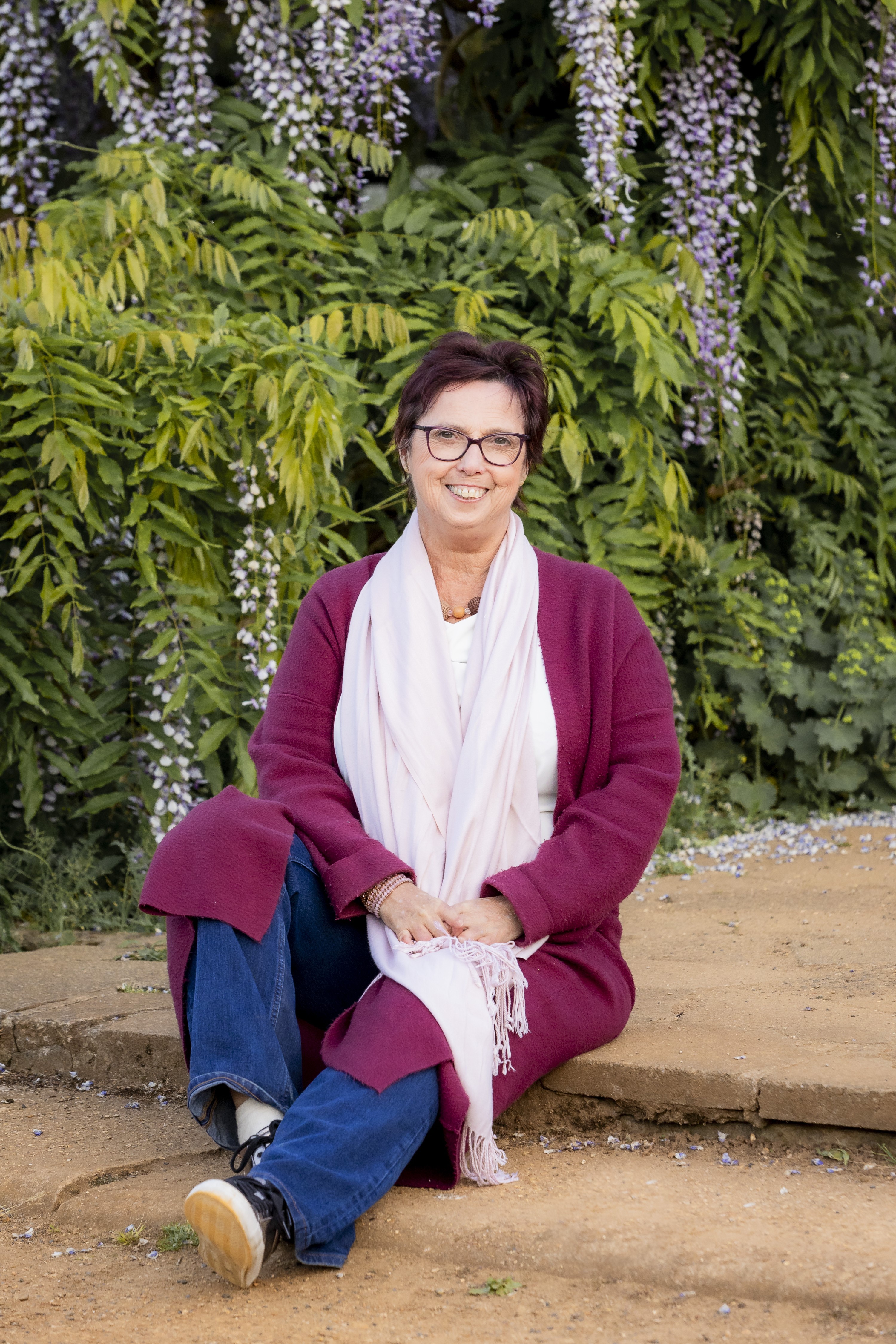
“Today is your opportunity, how would you love to change your life today?” Jane
Book your free introductory call now and find out how I can help you.
“Today is your opportunity, how would you love to change your life today?” Jane
Book your free discovery call now and find out how I can help you.


